International Day of
Zero Waste 2027
Co-led by UNEP and UN-Habitat, this global observance drives action to reduce waste, protect resources, and build a sustainable future for all.
What is the International Day of Zero Waste?
Established by the UN General Assembly in 2022 and observed every year on 30 March, the International Day of Zero Waste promotes sustainable, circular, and zero-waste initiatives that prevent pollution, fight climate change, and protect biodiversity.
Zero waste is more than managing the waste that forms — it is a culture of life that reviews and renews our habits and lifestyles. It is an approach that our entire world needs, not just individual countries or regions.
The initiative encourages rethinking, reducing, and recycling materials to keep them in the economy longer — moving away from the destructive "take-make-dispose" linear model towards a regenerative circular economy.
Zero Waste Starts on Your Plate
This year's International Day of Zero Waste focuses on food waste — a critical yet preventable driver of environmental harm.
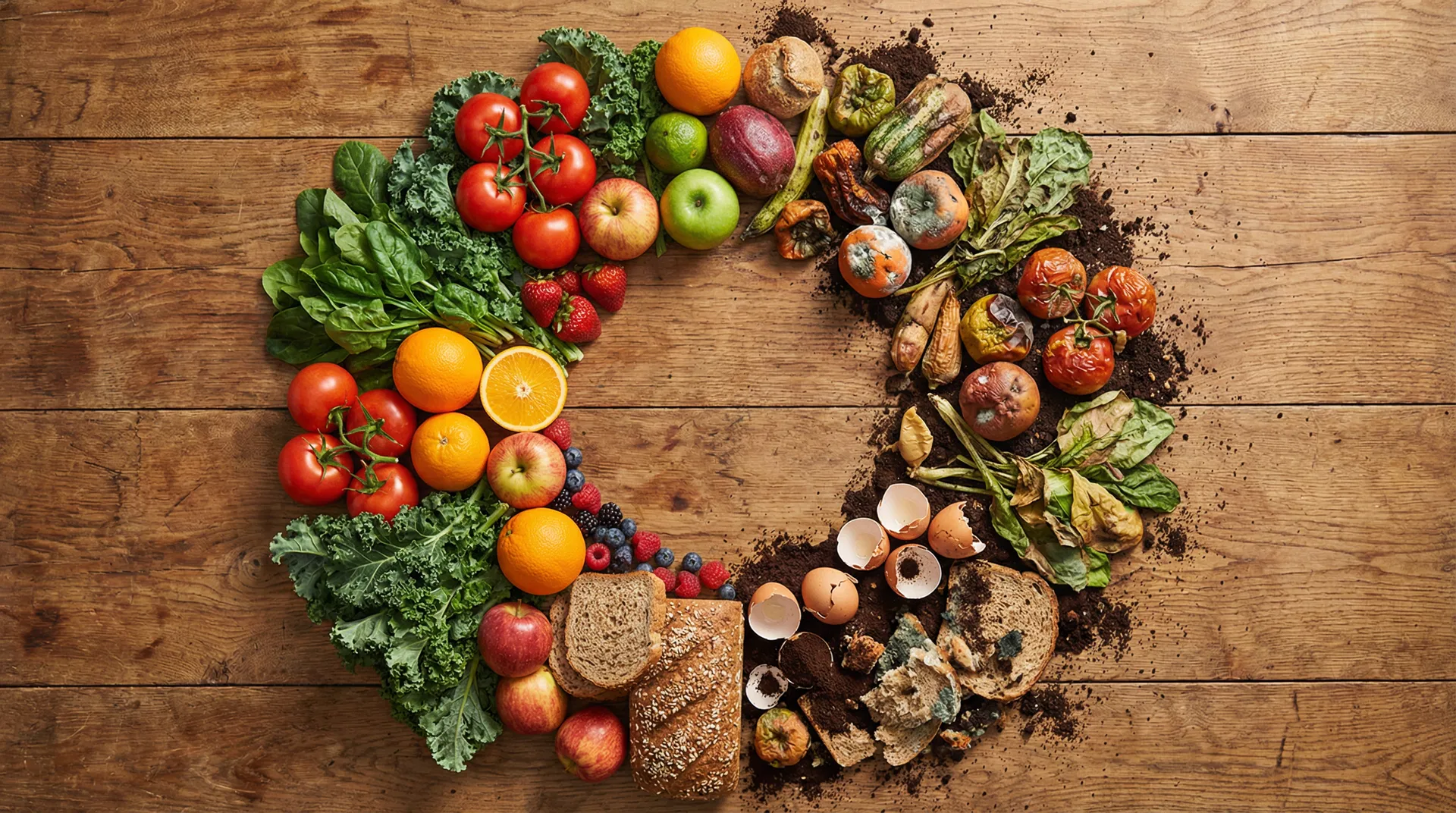
19%
of all food available to consumers is wasted annually — food that could nourish millions of people living in hunger.
Food waste is undermining food security and compromising progress toward a zero-waste, circular future. When food is wasted, all the water, land, energy, and labour used to produce it is wasted too — and it generates potent greenhouse gases in landfill.
Project Espwa's food rescue operations directly address this crisis. By intercepting surplus food from distributors and retailers, we prevent waste and deliver nutrition to communities in crisis — a true circular economy solution.
Project Espwa has saved approximately 1,927.5 tonnes of CO₂ through food surplus rescue alone — equivalent to the emissions of hundreds of homes for a year.
The Scale of the Waste Crisis
How much waste does the world produce every year?
Every year, humanity generates between 2.1 and 2.3 billion tonnes of municipal solid waste. Without action, this will soar to 3.8 billion tonnes by 2050.
How much waste is properly managed?
Only around 60% of waste is managed in controlled facilities. Poorly managed waste leaches chemical pollutants into soil and water, and is the third-largest emitter of methane.
How many people lack waste collection?
An estimated 2.7 billion people still lack access to basic solid waste collection, leaving communities exposed to serious health risks and environmental degradation.
What is the economic opportunity?
Strengthening global waste management could yield an annual net gain of US$108.5 billion by 2050. Zero waste is not just an environmental goal — it is an economic one.
Key Global Statistics
Annual Municipal Waste
Projected Waste by 2050
People Without Waste Collection
Jobs in Circular Economy
Millions of Tonnes Discarded Annually Across Major Sectors
Europe does not have a shortage of resources — it has a failure in distribution. Over 1.6 billion tonnes are wasted annually in Europe alone, costing over €200 billion per year. Project Espwa exists to bridge this gap.
Clothing & Bedding
5.8M EU tonnes
1.7M Ireland
Construction
800M EU tonnes
8–10M Ireland
Hygiene Products
Millions of units
destroyed annually
Furniture
Millions of units
destroyed annually
Medical Equipment
10M EU tonnes
1.6M UK
Medical Devices
Significant volumes
decommissioned
Survival Supplies
Overstock generates
surplus supplies
Food & Water
19% of all food
wasted by consumers
The European Surplus Crisis — Annual Figures
1.6 Billion
Tonnes Wasted Annually
in Europe alone
€200 Billion
Economic Loss Per Year
from wasted resources
1,000s
NGOs & Communities
facing persistent shortages
“Europe does not have a shortage of resources — it has a failure in distribution.”
Sustain Aid Global
Ireland's Surplus Opportunity
Ireland alone discards an estimated 1.7 million tonnes of clothing & bedding, 8–10 million tonnes of construction materials, and 170,000+ tonnes of other surplus goods every year. Project Espwa works to intercept these materials before they reach landfill and redirect them as humanitarian aid to communities in crisis.
What Project Espwa Rescues & Delivers
These are the surplus goods we harness from Ireland and the UK — goods that would otherwise be wasted — and transform into vital humanitarian aid for communities in crisis worldwide.
Clothes & Textiles
Construction Equipment & Materials
Diapers & Baby Supplies
Hygiene Products
Educational Equipment & Supplies
Food & Water
Bedding & Survival Materials
Medical Equipment & Supplies
Goods are sourced from hospitals, food distributors, educational institutions, retail surplus stock, and commercial companies. Project Espwa partners with local churches, dioceses, and NGOs in recipient countries to ensure fair, needs-based distribution.
The Benefits of a Circular Economy
Zero waste is not just an environmental objective — it is a cornerstone of sustainable development that creates economic value and social equity.
Increases Productivity
Efficient resource use reduces operational waste and drives output.
Reduces Costs
Preventing waste at source eliminates disposal and replacement expenses.
Reduces Environmental Risk
Fewer pollutants in soil, water, and air means healthier ecosystems.
Creates Green Jobs
142 million people are already employed in the circular economy globally.
Builds Resilient Communities
Circular systems generate local economic opportunities and social equity.
Fights Climate Change
Diverting goods from landfill and incineration saves significant CO₂ emissions.
Project Espwa & the SDGs
Our work directly advances three of the UN's 17 Sustainable Development Goals — connecting humanitarian aid with environmental action.
Zero Hunger
51,400+ food parcels delivered to war-affected Ukraine across 146 road freight loads.
Responsible Consumption
Recirculating surplus goods avoids landfill and extends product lifecycles.
Climate Action
11,328+ tCO₂e saved through reuse of 4,000+ tonnes of aid across 207 shipments worldwide since September 2016.
Related Observances
Zero Waste Day is part of a broader global calendar of sustainability observances.
30 March 2027
International Day of Zero Waste
UNEP & UN-Habitat
29 September
International Day of Awareness of Food Loss and Waste
UNEP & FAO
Be Part of the Solution
Support Project Espwa's circular economy mission and help turn Ireland's surplus into hope for communities in crisis — this Zero Waste Day and every day.